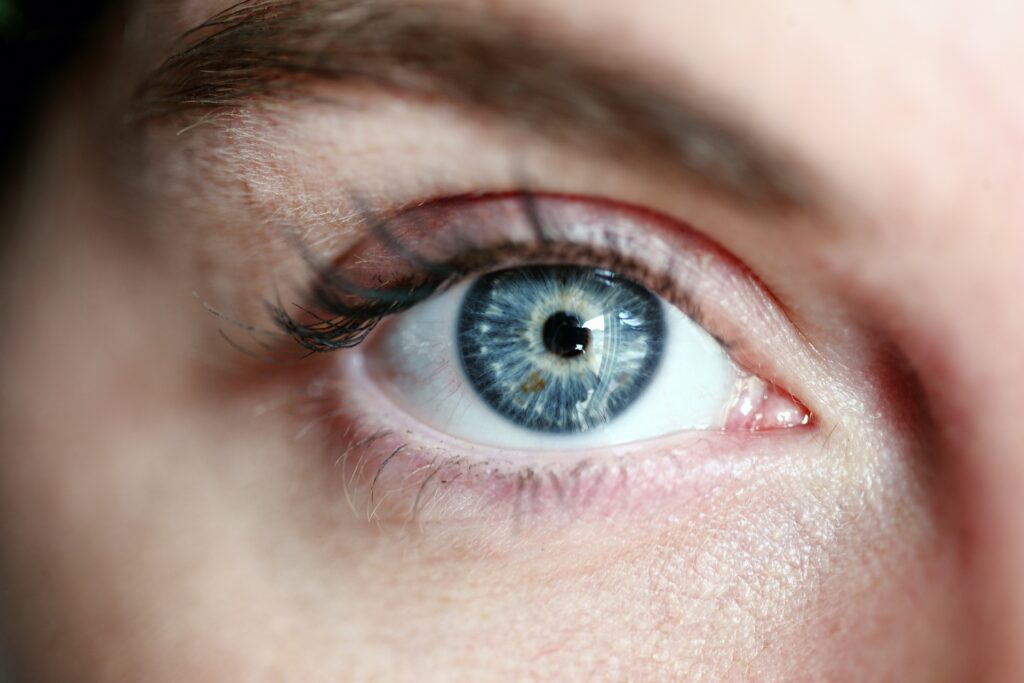
Ophthalmology treatment topics with brief explanations
Cataract Surgery
Removal of a cloudy natural lens, replaced with an artificial intraocular lens (IOL).
Benefits: Restores clear vision, improves quality of life, quick recovery.
LASIK (Laser-Assisted In Situ Keratomileusis)
Laser reshaping of the cornea to correct refractive errors like myopia, hyperopia, and astigmatism.
Benefits: Improves vision, reduces dependency on glasses or contacts.
PRK (Photorefractive Keratectomy)
Laser reshaping of the cornea without creating a flap, used for refractive correction.
Benefits: Suitable for thin corneas, effective for vision correction.
Glaucoma Treatment
Includes medications, laser therapy, or surgery to manage intraocular pressure.
Benefits: Prevents vision loss, protects the optic nerve, manages chronic disease.
Retinal Detachment Surgery
Procedures like vitrectomy or scleral buckling to repair a detached retina.
Benefits: Preserves vision, prevents permanent blindness.
Dry Eye Treatment
Use of artificial tears, medications, or procedures like punctal plugs to improve tear production.
Benefits: Relieves discomfort, improves eye health, enhances vision quality.
Macular Degeneration Management
Treatments like injections, laser therapy, or supplements to slow disease progression.
Benefits: Maintains central vision, reduces vision loss.
Diabetic Retinopathy Treatment
Includes laser photocoagulation or injections to manage retinal damage caused by diabetes.
Benefits: Prevents further damage, preserves vision, supports diabetes management.
Pediatric Ophthalmology Treatments
Management of conditions like amblyopia, strabismus, or congenital cataracts in children.
Benefits: Corrects vision issues early, supports normal eye development.
Corneal Transplantation
Replacement of a damaged cornea with donor tissue to restore vision.
Benefits: Improves vision, alleviates pain, and resolves corneal diseases.
Eyelid Surgery (Blepharoplasty)
Corrective surgery for droopy eyelids or to remove excess tissue.
Benefits: Enhances vision, improves appearance, resolves discomfort.
Contact Lens Fitting and Management
Specialized fitting for regular or medical-grade contact lenses for conditions like keratoconus.
Benefits: Enhances comfort, improves vision, addresses specific conditions.
Pterygium Surgery
Removal of a benign growth on the eye’s conjunctiva that can encroach on the cornea.
Benefits: Restores appearance, prevents vision obstruction, relieves irritation.
Uveitis Treatment
Management of inflammation inside the eye using medications or injections.
Benefits: Reduces pain, prevents complications, preserves vision.
Eye Injury Repair
Surgical or medical management of traumatic eye injuries.
Benefits: Restores eye structure and function, prevents vision loss.
Refractive Lens Exchange (RLE)
Removal of the natural lens and replacement with an IOL for vision correction.
Benefits: Treats high refractive errors, eliminates need for glasses.
Oculoplastic Surgery
Procedures for the eyelids, tear ducts, or orbit, often for medical or cosmetic reasons.
Benefits: Restores function, enhances aesthetics, resolves discomfort.
Eye Cancer Treatments
Management of ocular tumors with surgery, radiation, or chemotherapy.
Benefits: Preserves vision, addresses malignancies, prevents metastasis.
Keratoconus Management
Includes treatments like corneal cross-linking or specialty contact lenses to strengthen the cornea.
Benefits: Prevents progression, improves vision, avoids corneal transplant.
Strabismus Surgery
Corrective surgery for misaligned eyes (strabismus).
Benefits: Restores eye alignment, improves appearance, enhances depth perception.